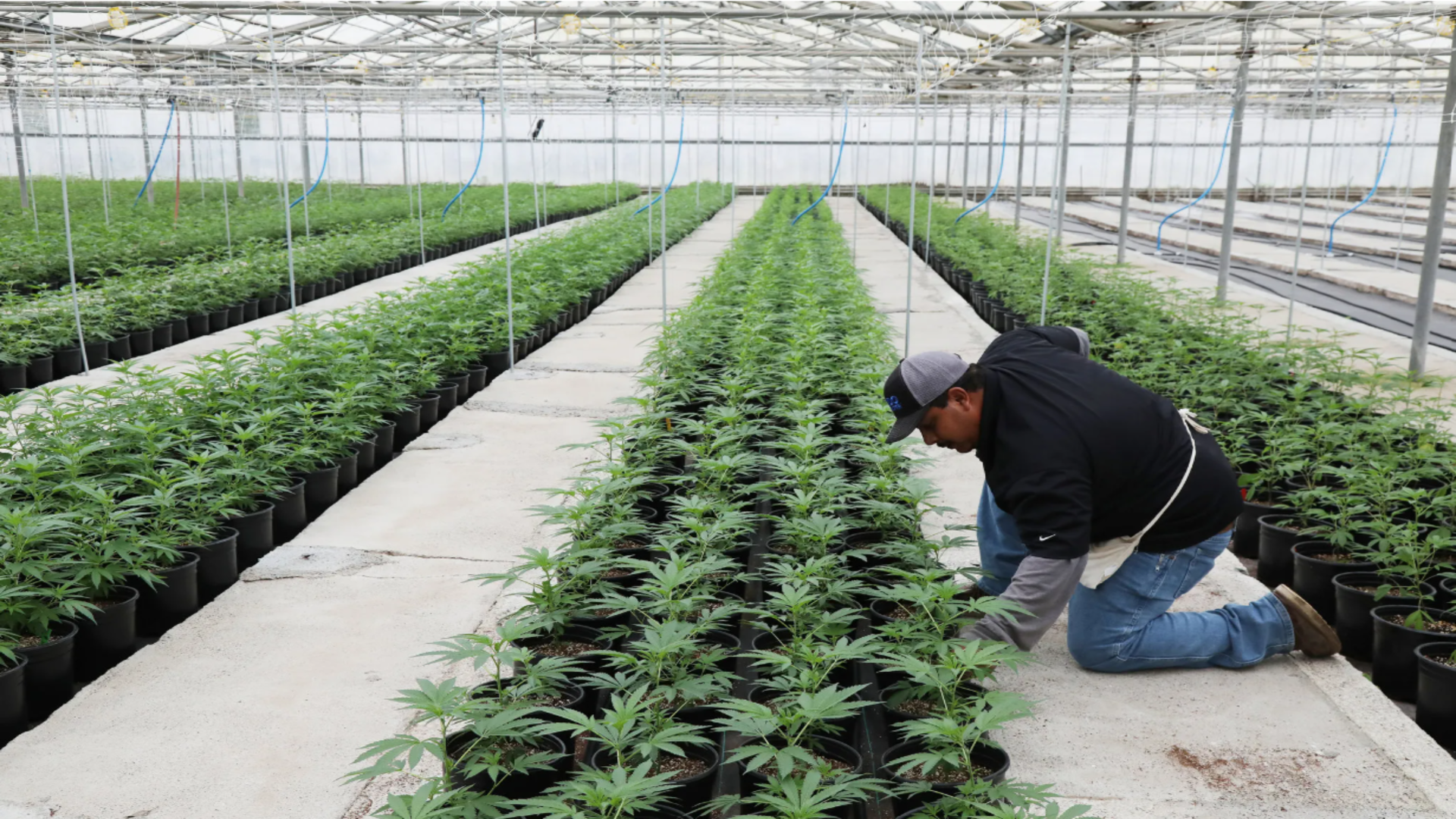
- Falling cannabis revenues are pushing growers to reconsider cultivation properties
- Former marijuana farms have infrastructure that could support smaller AI data centers
- AI demand is giving struggling cannabis properties an unexpected commercial purpose
The expansion of artificial intelligence infrastructure is creating another possible use for facilities originally constructed to support large-scale indoor marijuana production, new reports have claimed.
At the same time, declining marijuana prices are forcing some American cannabis growers to reconsider the future of their cultivation properties as operating costs continue rising.
Several former and current operators are therefore examining whether existing cultivation buildings could accommodate small data centers without requiring entirely new construction.
Existing infrastructure makes cannabis properties attractive to data center operators
Cannabis cultivation requires substantial electricity and water supplies, particularly for indoor operations involving artificial lighting, ventilation, cooling, and humidity regulation.
These requirements have left some facilities with electrical connections, industrial cooling equipment, and water infrastructure that could reduce the initial requirements for establishing computing operations.
In Kalamazoo, Michigan, a 32,850-square-foot cultivation property already has electrical capacity of 1.5 megawatts, with considerable room for expansion.
Its electricity supply could reach 2.5 megawatts within one year, while longer-term improvements could eventually increase available capacity to 15 megawatts.
The property also has fiber internet connectivity and an advanced heating, ventilation, and air conditioning system suitable for maintaining controlled indoor temperatures.
These characteristics could make former cultivation facilities attractive to companies seeking smaller computing locations instead of constructing new industrial complexes.
“For some reason, there's a lot more cannabis grown in Arizona than Arizonans use. And so, a lot of folks are getting out of that business, like myself, at least on the cultivation side. But these facilities can potentially be repurposed to be mini data center nodes,” said Moe Asnani, former owner of two D2 Dispensaries in Tucson, Arizona.
Conversion still carries substantial obstacles
The proposed conversion, sometimes called adaptive reuse, could also help address opposition against constructing large computing complexes in residential communities.
Tucson City Council member Paul Cunningham considers existing industrial properties a potentially more acceptable alternative to developing entirely new facilities.
“Data centers are dirty words, and everybody knows that. And no one wants to build a brand-new data center anywhere,” Cunningham said.
However, converting cultivation buildings does not automatically make them suitable for commercial computing operations.
Operators must consider electricity prices, fiber connectivity, and taxation before selecting properties.
Computing facilities can require two to three times the electrical capacity available at many cultivation properties, making infrastructure improvements particularly important.
Such upgrades could require as much as five years, potentially delaying projects and weakening the financial attraction of purchasing otherwise inexpensive agricultural properties.
Smaller installations must also contend with restrictive zoning regulations, construction restrictions, neighborhood opposition, and potentially expensive electricity infrastructure improvements.
Their operating economics could become particularly challenging as AI processors advance, requiring frequent hardware replacements to maintain competitive computing performance.
Large operators also benefit from purchasing equipment in substantial quantities, whereas smaller installations could face higher individual hardware costs during subsequent upgrades.
Nevertheless, resistance against enormous computing developments could encourage operators to investigate existing industrial properties, provided their infrastructure satisfies commercial requirements.
Via Tom's Hardware