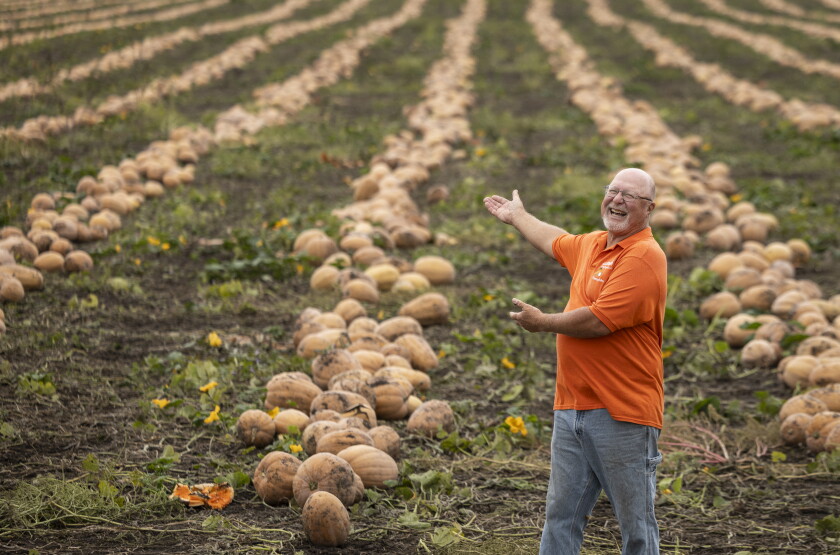
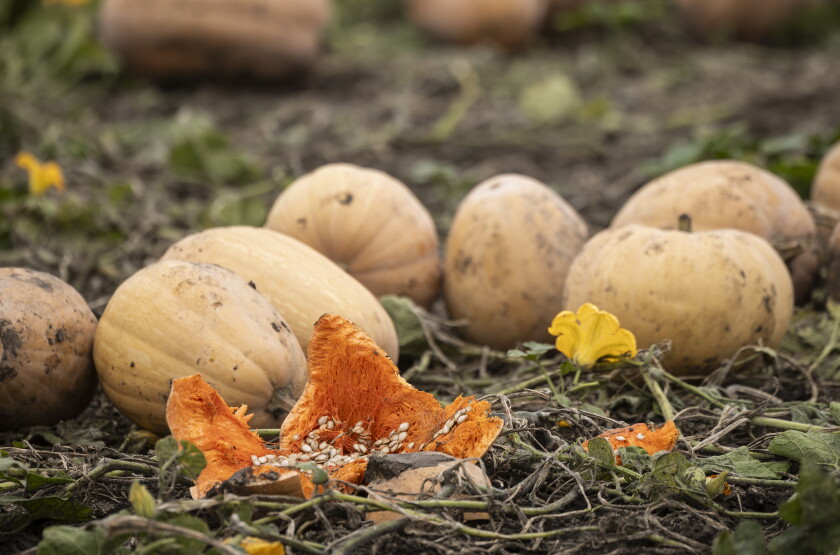
A pumpkin seed weighs about 1/100th of an ounce, when planted in April. By late September, through an unappreciated conspiracy of miracles: the balm of time, the embrace of Midwest weather, the kiss of rich soil and the careful application of husbandry — fertilizer spread, pests thwarted — managed by Illinois farmers, some who have been at this for generations, that little oval the size of a fingernail can increase in size 18,000 times, into a 12-pound pumpkin, ready for picking.
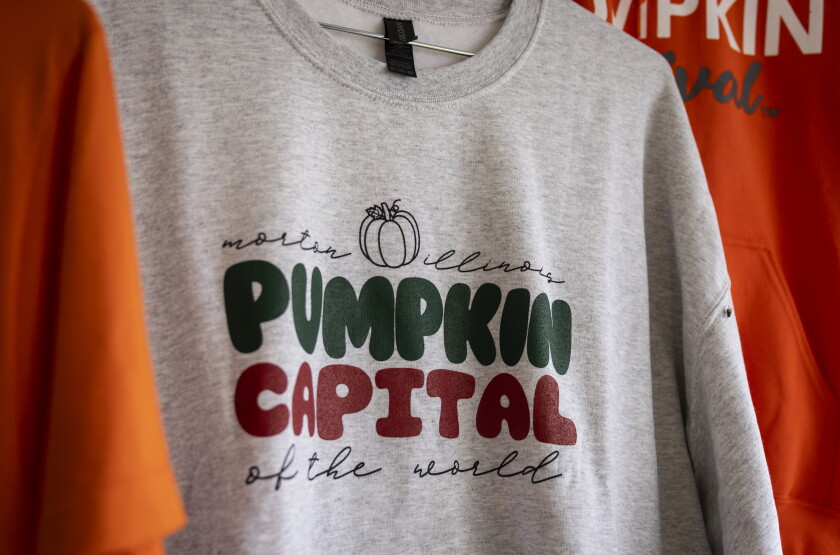
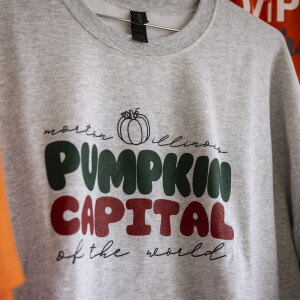
"There are days, when the conditions are right, I'm pretty sure I can hear them grow," says John H. Ackerman, a fourth-generation farmer in downstate Morton, which, about two hours southwest of Chicago, is the self-proclaimed pumpkin capital of the world.
Morton seized the title, though Illinois could easily dub itself "Pumpkin Heaven." It must be because the state grows so many of the distinctive orange fruit, the icon of the fall season. (Botanically, a pumpkin is a fruit because it contains seeds and grows from a pollinated flower, though cooks treat it as a vegetable, for its savory qualities.)
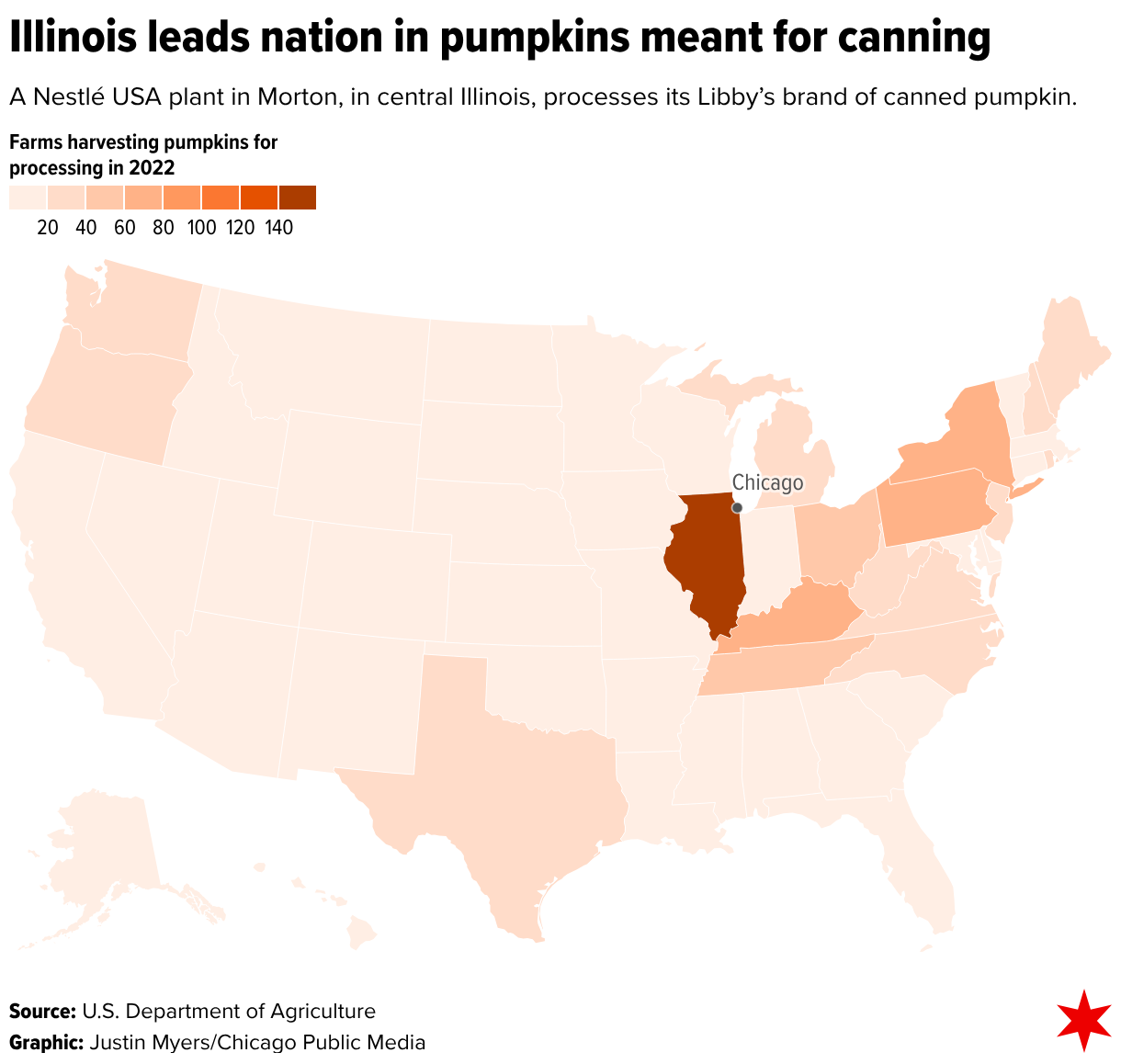
Fruit or vegetable, or both, in 2025, our state grew 535 million pounds of pumpkin, according to the U.S. Department of Agriculture. More than the next four top pumpkin-growing states — California, Indiana, Michigan and Pennsylvania — combined.
Why? What makes Illinois so pumpkin-friendly?
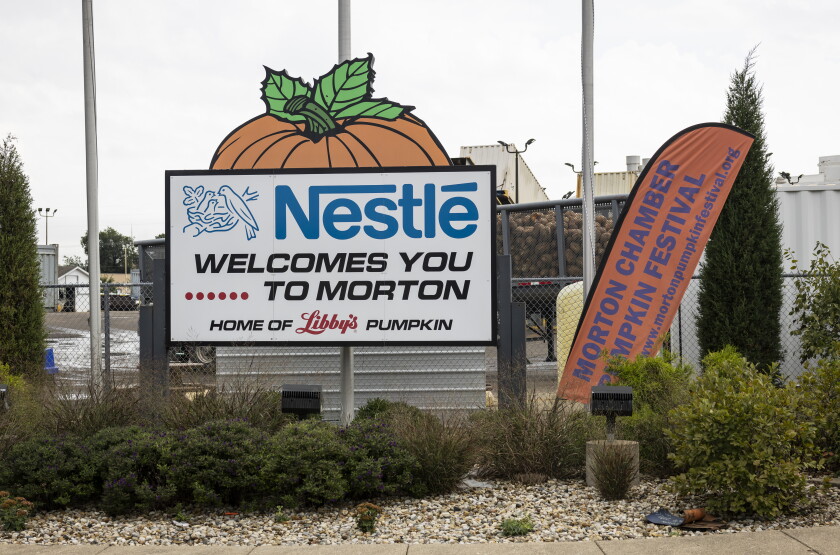
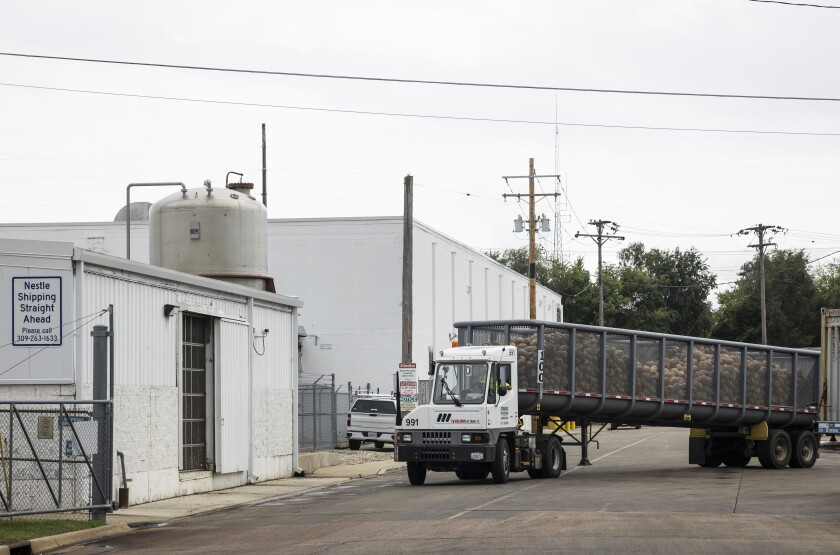
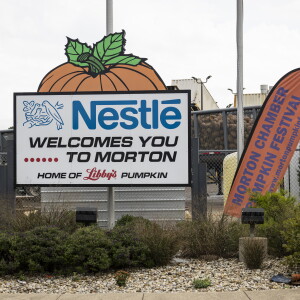
"The region offers the optimal combination of soil composition, climate and geography, with about 120 days of summer heat, warm nights and moderate rainfall that create great growing conditions," says Jacqueline Jimenez, senior director, brand marketing, culinary and confectionery for Nestle, the owner of Libby's, which has an enormous pureed-pumpkin processing plant in Morton.
"However, what sets the region apart is our deep roots here, including not only our factory but our multi-generational partnerships with the local farmers who grow our Libby's pumpkins. Some of these farming families have grown Libby's pumpkins for 60 years. We know them by name, and they understand this land and climate in a way that's irreplaceable."
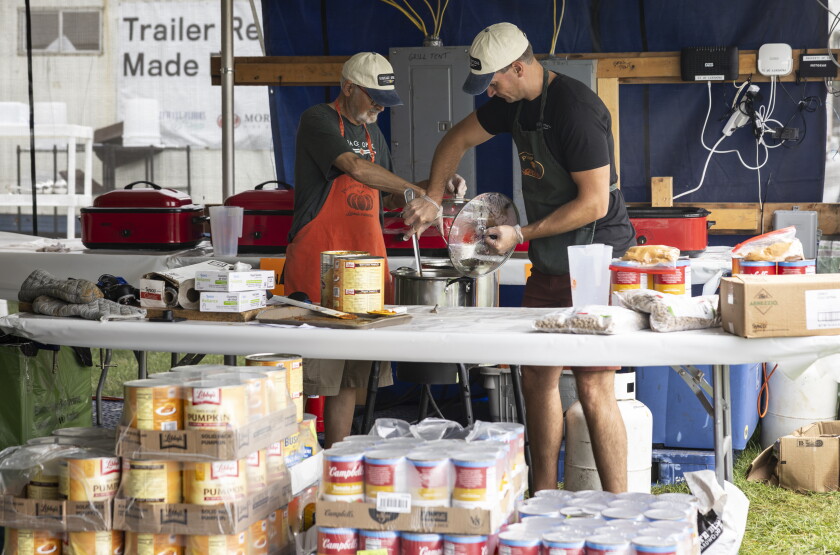
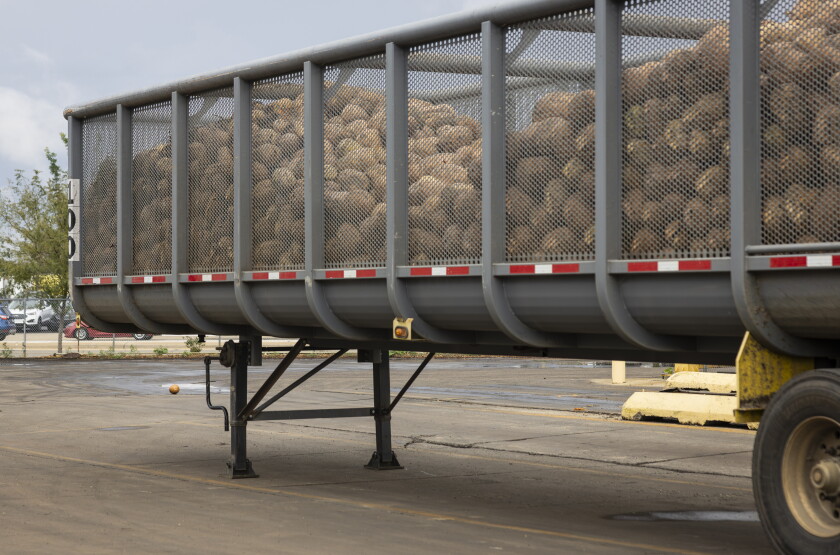
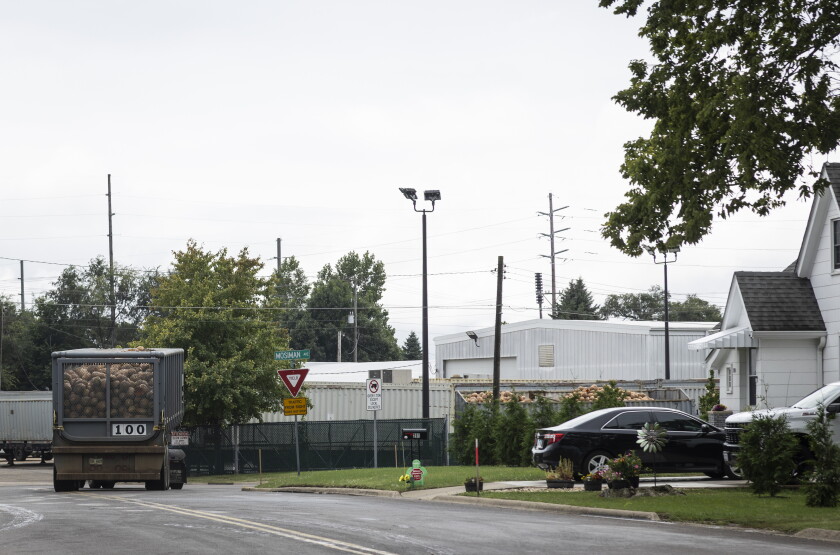
More than soil or climate, the presence of the Libby's canning operation in Morton is responsible for Illinois' pumpkin preeminence. About 90% of the canned pumpkin produced in the United States is grown within a 60-mile radius of Morton. And most of that goes to Libby's, though there also is another cannery, Seneca Foods, in Princeville, about 33 miles away.
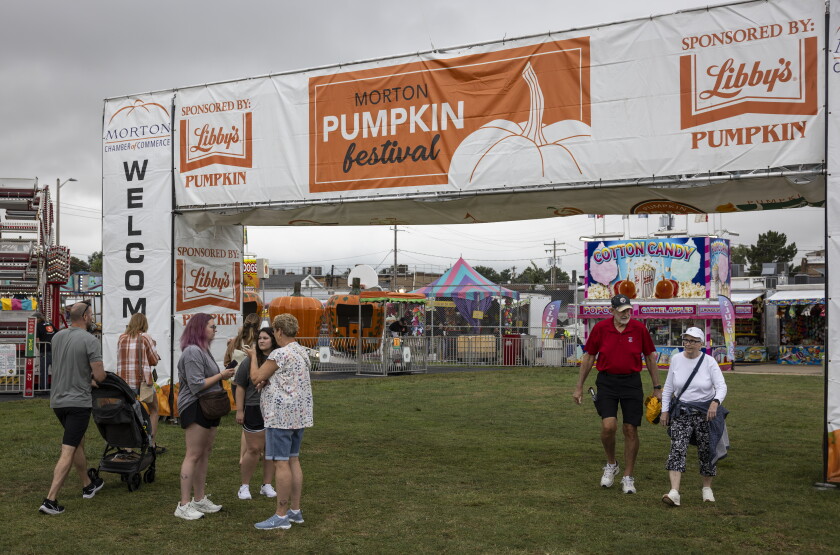
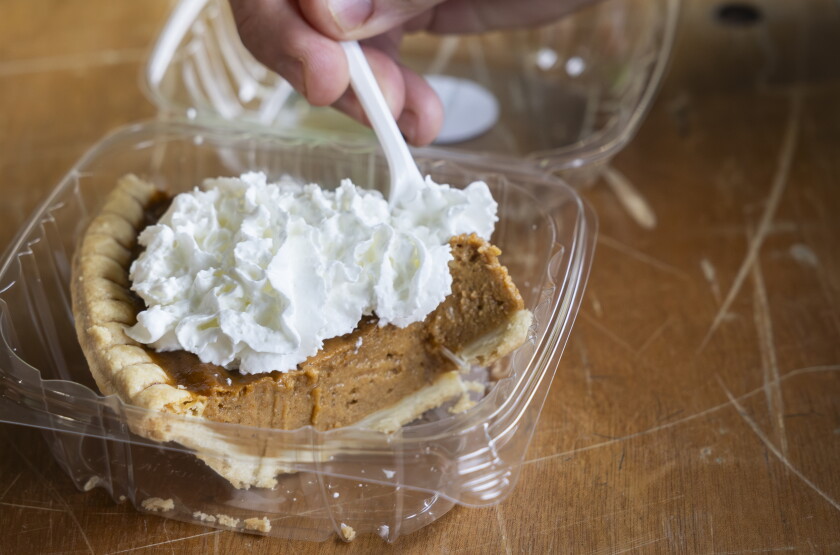
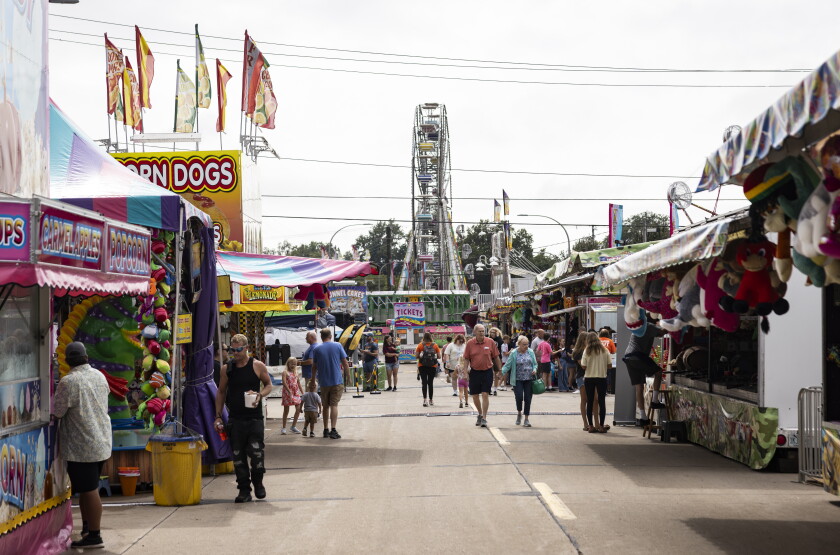
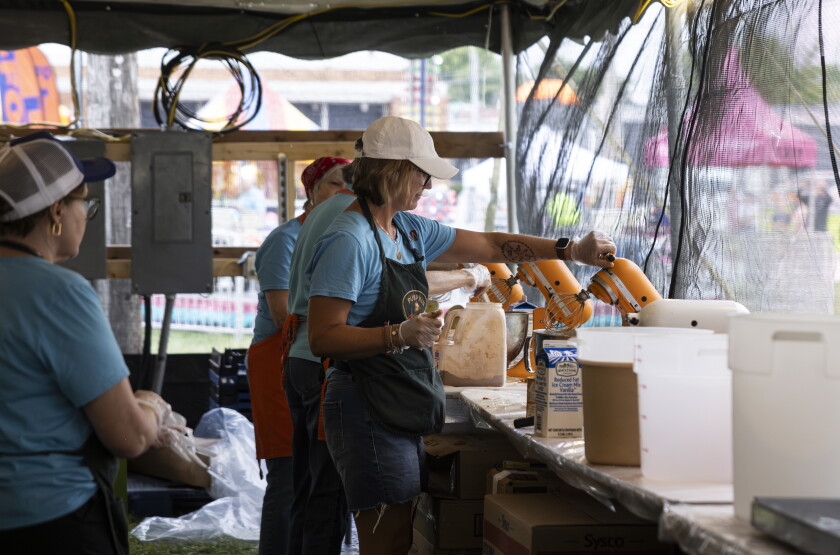
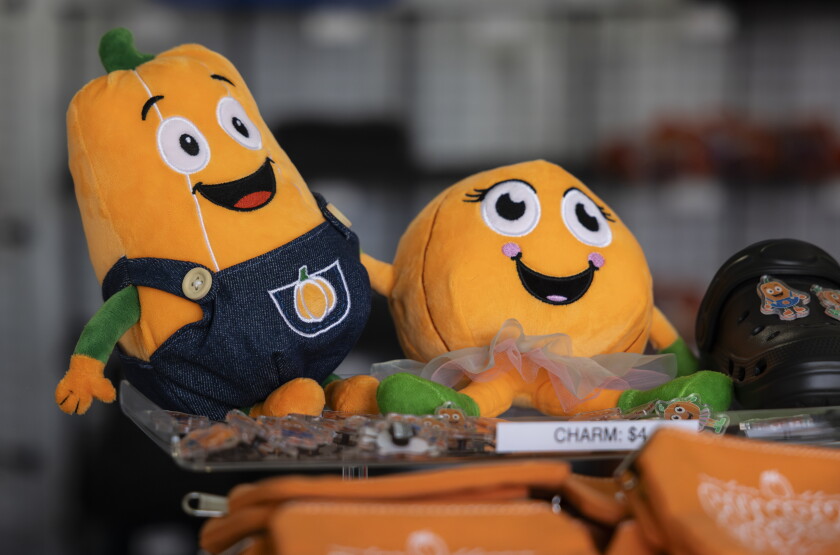
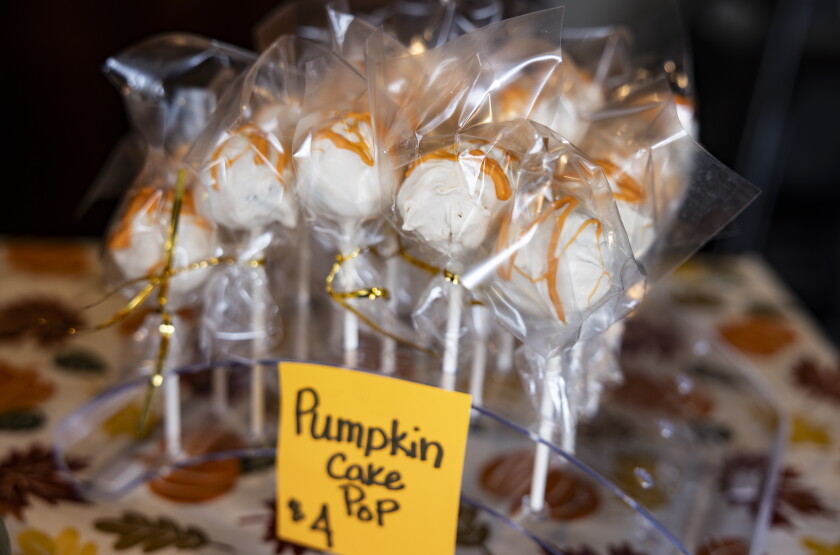
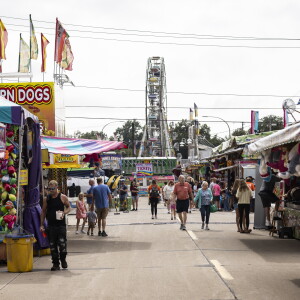
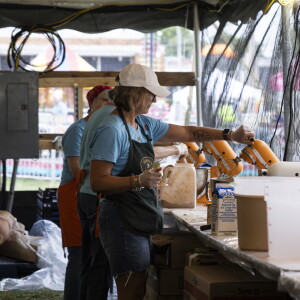
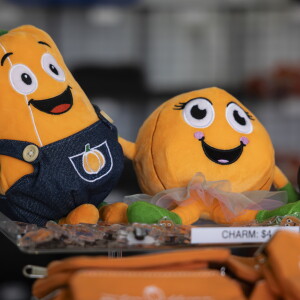
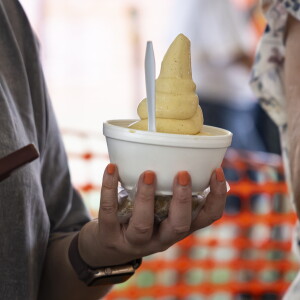
Morton celebrates its bounty with an annual five-day September pumpkin festival featuring a pumpkin pie-eating contest, a pumpkin pancake breakfast and a giant pumpkin weigh-off.
Illinois boasts a vigorous giant pumpkin-growing community.
"I got started at a young age," says Joe Adkins of Wheaton. "The first time I saw someone carving a giant pumpkin, it was love at first sight. I was probably 18 years old. I'm 51 years old now. I think about giant pumpkins all the time. I dream about pumpkins. I have a huge, burning passion to grow giant pumpkins and to carve them."
The massive gourds must be babied, with drip irrigation, and the bunnies, squirrels and other pests kept away. But it can be a profitable business. A 1,000-pound pumpkin can go for $1 to $2 a pound, according to Adkins, and a single seed from a prize-winning strain can fetch $1,500.
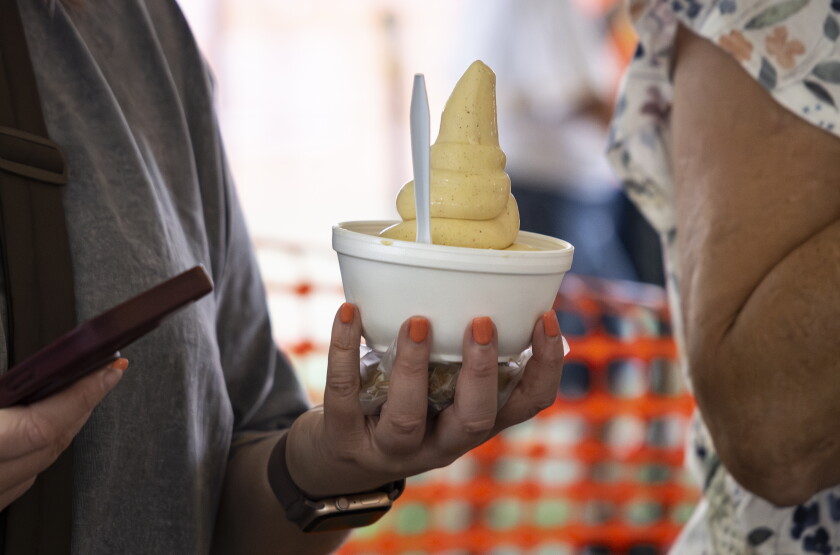
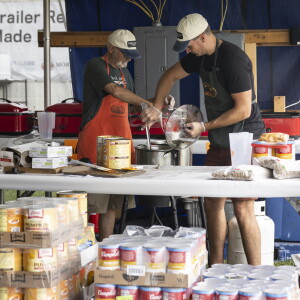
While the pumpkin ice cream at the Morton festival has a satisfying pumpkin taste, truth be told, the pumpkin chili tastes very much like regular, non-pumpkin chili. A reminder that so much agricultural activity cannot occur without its share of controversy.
There is a noticeable smell from Libby's canning operation, which runs 24 hours a day, seven days a week, during peak season, which is right now. Some Morton residents compare the odor to the warm cinnamon aroma of their grandmother's kitchen.
"The factory smells wonderful," Ackerman says. "You smell the cooking of pumpkins. That smells great."
But some have described the odor as "pumpkin vomit" from mid-October through Christmas, depending on location and the direction of the wind — Libby's dumps waste pumpkin slop into four lagoons in the northeast part of town.
"We thought about moving," says a woman named Deb, who lives in a house on the banks of Lagoon No. 2. "We were almost going to sell our house."
She says her husband has been talking with Libby's, and, "They have reduced the smell drastically."
Her husband Chris — he asked that their last names not be used — says the smell improved over the summer, when Libby's dredged Lagoon No. 2, but that aerators that would help the "pumpkin guts" pumped into the lake decay more quickly are broken and in need of repair, leading to odors peaking right about now.
"It's unbelievable" he says. "Some days, it's like ammonia smell that burns your nostrils, some days like somebody s--- out a bunch of pumpkins."
Still, he says: "Libby's is great. They're super-nice people. They're good neighbors. This is one of those things they can fix."
Then, there is the persistent claim that what's in a can of Libby's isn't really pumpkin at all.
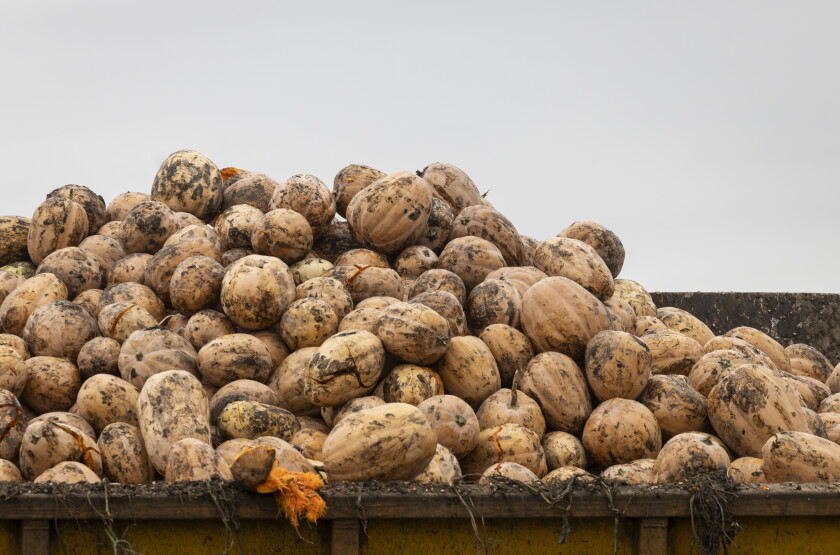
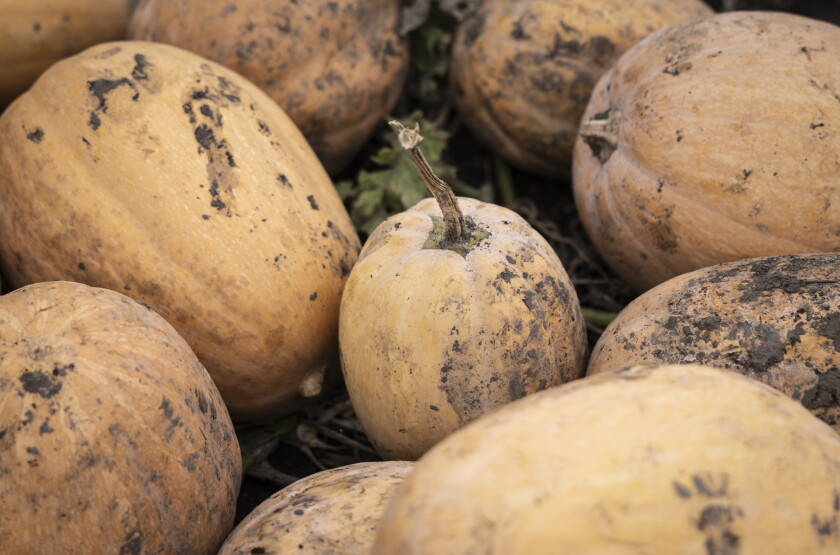
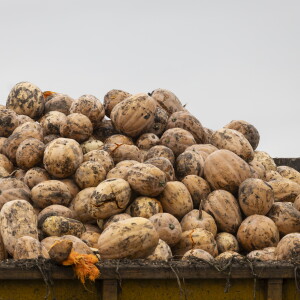
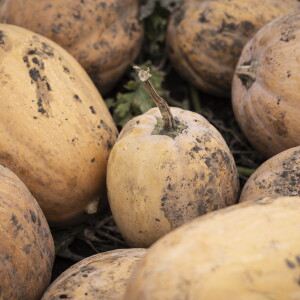
"Libby's grows a proprietary strain of tan-skinned Dickinson squash," professional chef Joe Sevier wrote on the Epicurious website during what Snopes.com calls "The Great Pumpkin Scare of 2016." "And although Libby's does refer to its fruit as 'pumpkin,' in appearance, taste and texture (not to mention species) it more closely resembles squash. In fact, its closest high-profile relative is butternut squash."
The Dickinson strain was brought to Illinois in 1835 by Elijah Dickinson, who began canning operations in Eureka, the original pumpkin capital of the world, and opened its first pumpkin canning facility in 1902. The company was bought by Libby's — which started in Chicago after the Civil War, canning corned beef — in 1929 and moved to Morton in 1960. Nestle bought Libby's in 1976.
Libby's buys farmers' crops before they're planted, around December — the price of pumpkins is set in part by the price of corn: If Libby's were to dip below that, the farmers might plant corn instead.
"We have strong relationships with the farmers who supply Libby’s and work together to ensure we can grow and harvest high-quality pumpkins each year," Jimenez says. "In 2025, nearly 90% of our pumpkins were grown using regenerative agriculture practices, meaning these farmers employed techniques like rotating what they plant in fields, using cover crops and taking steps to improve soil quality and enhance biodiversity. We also support farmers by increasing pollinator habitats in their fields, which can help local bees and butterflies flourish."
Sometimes, Ackerman says, Libby's will not actually harvest the pumpkins it buys — if it doesn't need them that year — which means he can plow under his crop, nourishing his fields.
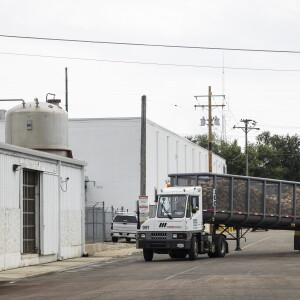
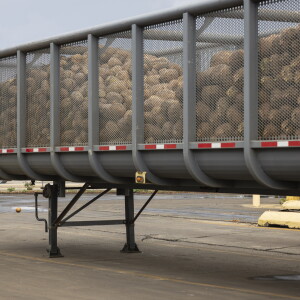
Not that every pumpkin in Illinois goes into a can. Increasingly, some grow pumpkins for the decorative trade — the Jack-o-lantern pumpkins that end up at Costco and Walmart.
"We used to grow a lot for processing," says John Frey of Frey Farms in Keenes in south-central Illinois. "We sell lots of fresh-market pumpkins direct to retailers — all the Walmarts, Costco, Sam's Club."
Frey Farms pumpkins are marketed as interior decoration — it sells the "Autumn Couleur" line of pumpkins and proudly proclaims it developed flat pumpkins that can be stacked.
"We innovate around fashion trends, TikTok," Frey says. "We created 'Heirloom Stackers.' Now, everyone wants it."
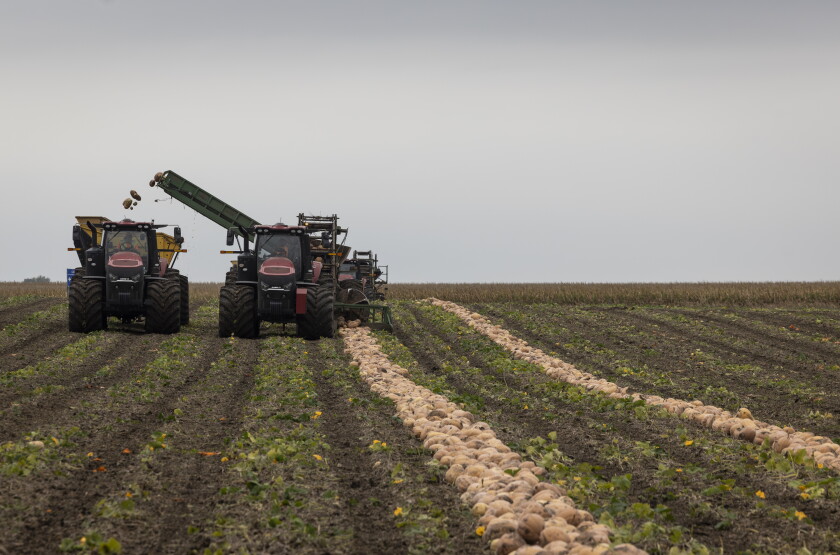
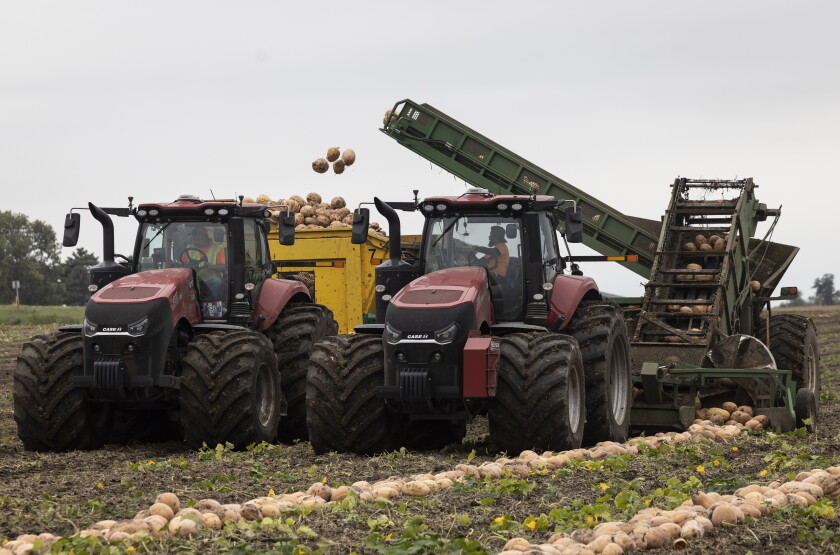
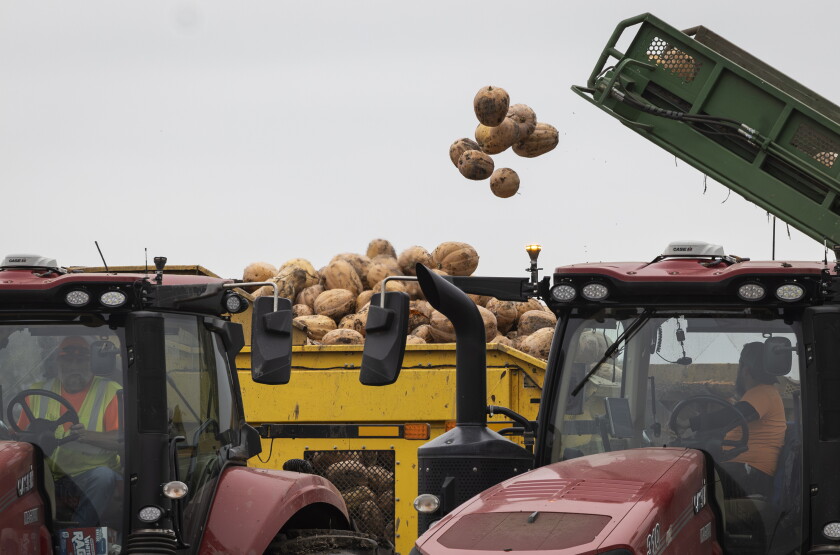
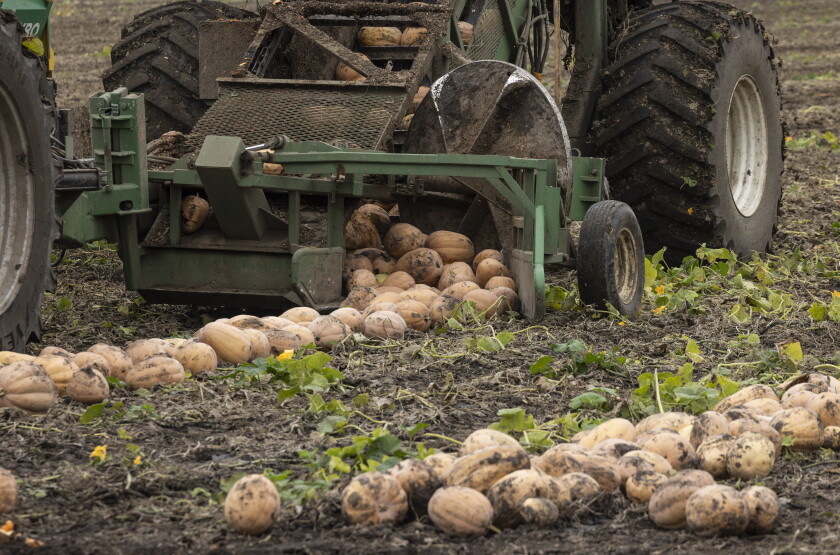
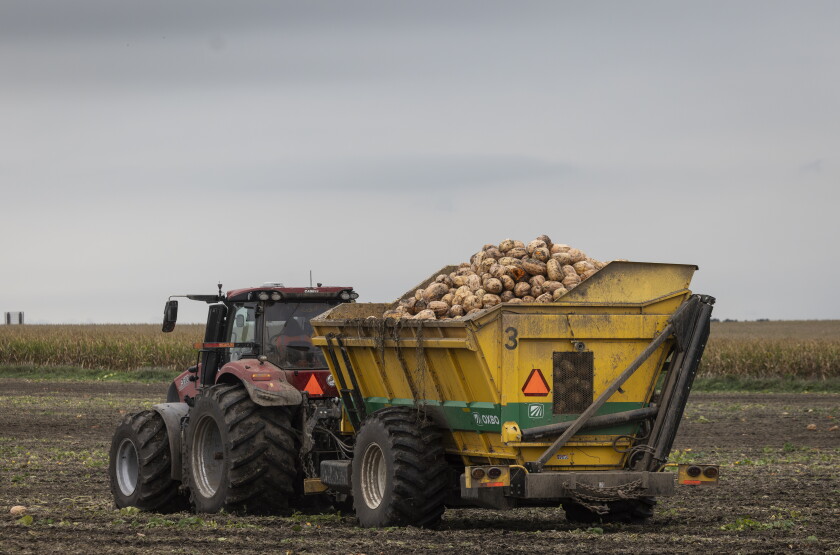
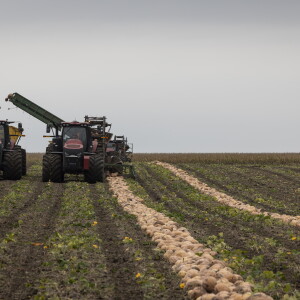
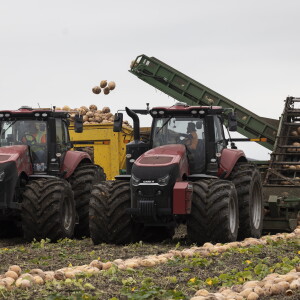
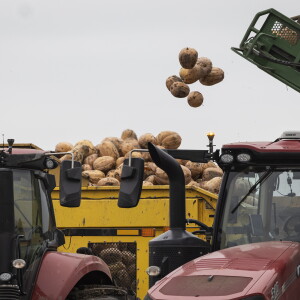
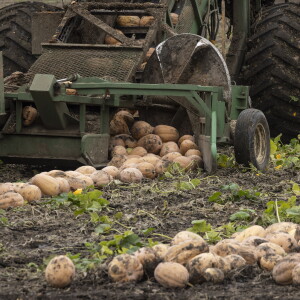
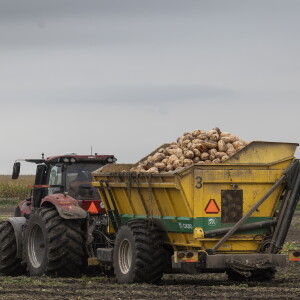
Decorative pumpkins can be sold for far more than canning pumpkins but also are more expensive to harvest. They have to be cut from the vine by hand so as not to mar their outsides. Canning pumpkins are harvested mechanically, using loaders custom-made by Libby's.
"You cannot go out and buy those," says Ackerman, watching a pair of machines strip a field of pumpkins that had been "rowed" — separated from their vines and pushed into straight lines — the day before.
Then, there are pumpkin seeds which are not scooped out of the pumpkins that go for canning but grown in special seed varieties of pumpkins, the seeds bred to have thin hulls. Ackerman has 10 acres of experimental seed pumpkins growing for a Chinese company, Sunshine Produce USA.
He also used to monetize his crop another way — making his farm an entertainment destination. Similarly, at Richardson Adventure Farm in Spring Grove, you can pick your pumpkins from a pumpkin patch but also get lost in a corn maze, watch pig races or climb a tower and hurl pumpkins at junk cars.
Ackerman shut down that aspect last year — too many 100-hour weeks.
"It's just a working farm this year," he says. "I miss the people — we've hosted over 30,000 school kids, employed over 400 young men and women over 27 seasons. I will miss mentoring them and becoming their friend. We've been to a lot of weddings over the years. I will miss that."
Pumpkins aren't a tradition only for those who farm pumpkins and or visit pumpkin farms and festivals but also for people who bypass canned pumpkin (or, if you prefer, squash) and cook it themselves.
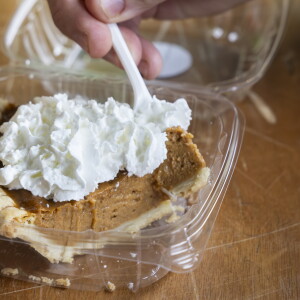
Sarah Stegner, the two-time James Beard Foundation Award-winning chef and owner of Prairie Grass Cafe in Northbrook, is renowned for her pumpkin pie and has thought a lot about the aesthetics and gustatory glory of pumpkins.
"They're beautiful," Stegner says. "I love pumpkins. They mean fall has arrived. It's tradition. The pumpkin pie recipe I use is my mom's."
For her, the convenience and adequacy of canned pumpkins means that people miss the pleasure of cooking pumpkins themselves.
"A lot of people don't cook pumpkin at home," she says. "It's a different flavor. It's just magical."
She says offering pumpkin courses at her restaurant, which recently featured an appetizer of grilled pumpkin slices with goat cheese and toasted pumpkin seeds, can take some education.
"We have to get the waitstaff to talk to customers about it," she says. "They don't know what it is."
As American as pumpkins are, other cultures make better use of them.
"When I traveled to India, they used all kinds of pumpkins in their dishes," Stegner says.
But that can be fixed.
"Go to a farmer's market," she says. "Go to Green City Market. Ask for Luxury Pie pumpkins. You have to search out these heirloom varieties.
"I feel we're missing out here. We carve pumpkins; we don't eat them. That's backward."